Interior Selective Demolition In Charlotte NC
Interior selective demolition in Charlotte, NC, offers a systematic approach for homeowners seeking to remodel. This process includes the careful elimination of certain elements, maintaining structural integrity while minimizing waste. By concentrating on sustainable practices, selective demolition allows for the recycling of useful products. Comprehending its processes and advantages can greatly impact a renovation task. What are the vital aspects to evaluate when launching this sort of restoration?
What Is Interior Selective Demolition?
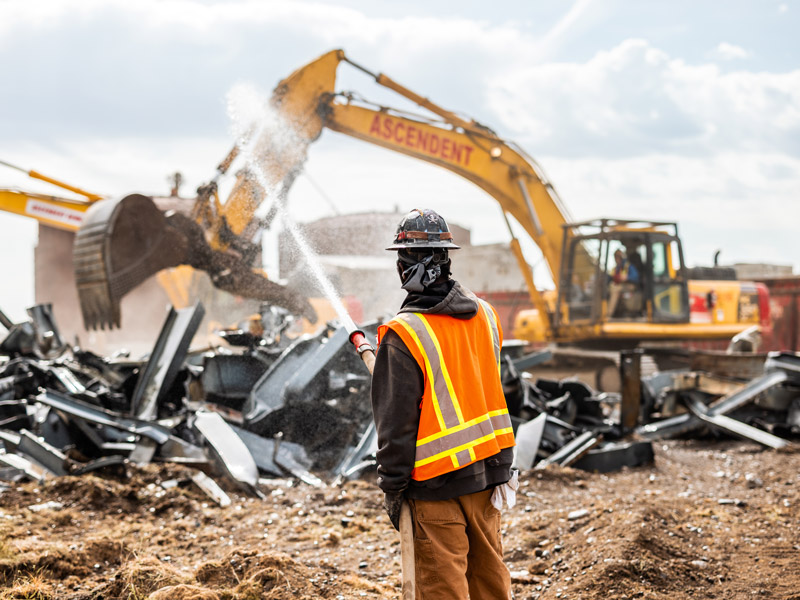
Normally, this process includes the elimination of non-structural elements like wall surfaces, ceilings, flooring, and fixtures. Competent specialists make use of specialized techniques and devices to attain exact results, prioritizing security and efficiency. By going with selective demolition, specialists can address details requirements without endangering the total security or aesthetic of the building. This method is specifically useful in city atmospheres, where room is minimal and keeping bordering structures is crucial. Eventually, interior selective demolition offers as a critical method to modern-day building and construction and restoration projects.
Advantages of Selective Demolition for Homeowners
Home owners can reap countless advantages from using selective demolition in their remodelling projects. This approach enables the targeted removal of certain elements, such as walls, closets, or flooring, without endangering the whole structure. By lessening unnecessary devastation, home owners can reduce and maintain important materials waste, lining up with lasting structure methods.
Selective demolition also enhances safety by reducing the risk of structural damage or harmful material exposure during remodellings. Additionally, it can cause cost savings, as house owners may prevent the expense related to full demolition and disposal.
Additionally, this technique allows for greater design adaptability, enabling homeowners to reimagine and customize their spaces according to personal preferences. The capability to maintain existing features while making updates can develop an one-of-a-kind mix of old and brand-new, ultimately raising the home's worth. In general, selective demolition supplies a functional service for home owners seeking effective and effective improvements.
The Selective Demolition Process
The selective demolition process entails a thorough approach to deconstruction, focusing on specific areas of a framework while protecting the honesty of the surrounding elements. This technique is essential for jobs needing careful improvement or makeover without endangering surrounding spaces. A thorough assessment of the site is performed to identify which parts need removal and which has to be preserved.
As soon as the strategy is established, precaution are executed to secure workers and the setting. Specialized devices and equipment are used to guarantee accuracy in the demolition, minimizing dust and debris. Proficient laborers very carefully dismantle targeted areas, such as wall surfaces, fixtures, or flooring, making certain that architectural supports stay intact.
Throughout the procedure, continuous tracking is important to deal with any unexpected difficulties. By stressing mindful preparation and implementation, selective demolition not only facilitates remodelling however also advertises sustainability with the responsible disposal and recycling of products.
Typical Projects That Use Selective Demolition
Selective demolition is frequently utilized in various tasks, including property restorations, where home owners seek to modernize their rooms without a complete teardown. Business rooms usually go through reconfigurations to adjust to altering company demands, making selective demolition a practical choice. Furthermore, historic building repairs benefit from this method, permitting the preservation of important building functions while upgrading insides.
Residential Improvement Projects
When beginning on domestic improvement tasks, many homeowner discover that selective demolition plays a crucial role in attaining their design goals (legendary demolition charlotte). This process allows house owners to successfully get rid of specific components of a structure without jeopardizing its total integrity. Usual applications include removing outdated components, walls, or floor covering to create an open layout or update interiors. Selective demolition enables the installment of brand-new electrical systems, pipes, and cabinetry while reducing waste and preserving multiple-use materials. Furthermore, this technique is typically utilized in kitchen and restroom remodels, where targeted elimination can markedly boost performance and aesthetics. By using selective demolition, property owners can transform their rooms while adhering to financial constraints and environmental factors to consider
Industrial Area Reconfigurations
As companies evolve to meet transforming market demands, commercial area reconfigurations often necessitate selective demolition to adjust existing layouts. This process allows business to optimize their functional efficiency by eliminating non-structural elements such as partitions, ceilings, and floor covering, developing even more practical spaces. Usual projects consist of transforming open workplace environments, converting retail rooms right into multi-functional areas, or reconfiguring restaurants to enhance client flow. Selective demolition warranties minimal disruption to the surrounding framework, permitting organizations to proceed operations during remodellings. By strategically getting rid of obsolete attributes, companies can much better utilize their areas, boost staff member cooperation, and enhance customer experiences. Ultimately, selective demolition plays an important role in providing contemporary, versatile commercial environments that align with present business strategies.
Historical Building Reconstructions
Historical structure repairs typically call for mindful preparation and implementation, particularly when incorporating contemporary capabilities while protecting building stability. Selective demolition serves as a vital technique in these tasks, permitting the removal of non-structural components, such as outdated fixtures, walls, and dividers, without endangering the structure's historic attributes. This strategy minimizes waste and lowers the danger of destructive original materials. Usual jobs consist of the reconstruction of old cinemas, storage facilities, and municipal buildings, where protecting frontage information and distinct craftsmanship is critical. By utilizing selective demolition, specialists can create useful rooms that recognize the past while satisfying contemporary demands, guaranteeing that these historic structures stay relevant and functional for future generations.
Environmental Factors To Consider in Selective Demolition
Selective demolition plays a vital function in minimizing environmental effects throughout restoration and construction projects. This technique enables the careful removal of specific building elements, such as wall surfaces, components, and flooring, while lowering and maintaining the general framework waste. By concentrating on deconstructing as opposed to traditional demolition, materials can be recovered and repurposed, significantly lowering garbage dump contributions.
Furthermore, selective demolition promotes recycling and using sustainable materials, aligning with ecologically pleasant methods - best demolition contractor in charlotte. Hazardous products, such as asbestos or lead paint, can be recognized and securely eliminated, making sure conformity with ecological regulations. This approach not only reduces possible health threats but likewise adds to the preservation of neighborhood ecosystems
Picking the Right Contractor for Your Task
Selecting the appropriate contractor for interior selective demolition requires careful assessment of credentials and licenses to assure compliance with industry standards. Additionally, reviewing previous task experience can supply understandings right into the specialist's capacities and dependability. This procedure is important for attaining effective job outcomes.
Verify Licenses and qualifications
When commencing on an indoor demolition job, verifying that the picked contractor possesses the necessary qualifications and licenses is vital. Proper licensing indicates that the service provider adheres to regional laws, security requirements, and market finest techniques. This not just promotes count on but likewise shields homeowner from prospective liability concerns. It is necessary to verify that the service provider holds all needed permits and accreditations specific to Charlotte, NC, as policies can differ by area. Additionally, inspecting for insurance protection, consisting of liability and workers' payment, is crucial. This insurance coverage safeguards against any kind of accidents or problems that might take place during the demolition procedure. By focusing on credential verification, customers can ensure a smoother and a lot more secure project implementation.
Assess Previous Project Experience
Experience acts as a vital indication of a service provider's ability in indoor selective demolition projects. Evaluating a contractor's previous project experience gives understanding into their knowledge and integrity. It is crucial to analyze the range and scale Learn More of previous tasks, as different experiences frequently reflect analytical abilities in various settings. Possible customers need to ask for instance studies or references that look these up demonstrate effective completions, compliance with security laws, and client satisfaction. Furthermore, visiting or evaluating photographs completed sites can use a concrete feeling of workmanship high quality. This extensive analysis guarantees that the picked specialist possesses the essential abilities and expertise to manage the particular demands of a discerning demolition project, ultimately bring about a much more sufficient and effective result.
Cost Variables to Think About in Selective Demolition
Understanding the cost variables linked with selective demolition is vital for residential or commercial property proprietors and specialists alike, as these expenditures can differ noticeably based upon several variables. Secret considerations include the scope of the job, the intricacy of the demolition, and the materials entailed. As an example, eliminating harmful materials such as asbestos or lead paint generally sustains greater prices due to specialized handling and disposal requirements. Labor expenses likewise play a substantial function; experienced labor might be essential for elaborate jobs, increasing expenditures.
The area and ease of access of the site can affect costs. Urban settings may offer logistical challenges, requiring additional equipment and time. Disposal charges for particles and waste are an additional element, specifically if the materials are not recyclable. Lastly, project timelines can impact expenses, as expedited solutions may lead to enhanced labor costs. Awareness of these elements makes it possible for even more accurate budgeting for selective demolition tasks.
Frequently Asked Concerns
The Length Of Time Does Interior Selective Demolition Typically Take?
Commonly, interior selective demolition takes one to three weeks, relying on the project's size and intricacy. Factors such as the degree of products eliminated and site problems can affect the general period significantly.
Is an Authorization Required for Selective Demolition Projects?
A permit is usually required for selective demolition jobs, relying on neighborhood guidelines. It guarantees compliance with security requirements and zoning legislations, securing both workers and the bordering neighborhood during the demolition procedure.
What Precaution Are Taken Throughout Demolition?
Throughout demolition, rigorous safety steps include site examinations, safety gear for employees, dust control methods, proper handling of unsafe products, structural evaluations, and adherence to local laws to guarantee a risk-free functioning environment throughout the job.
Can I Live in My Home During the Demolition?
What Happens to the Debris After Demolition Is Completed?
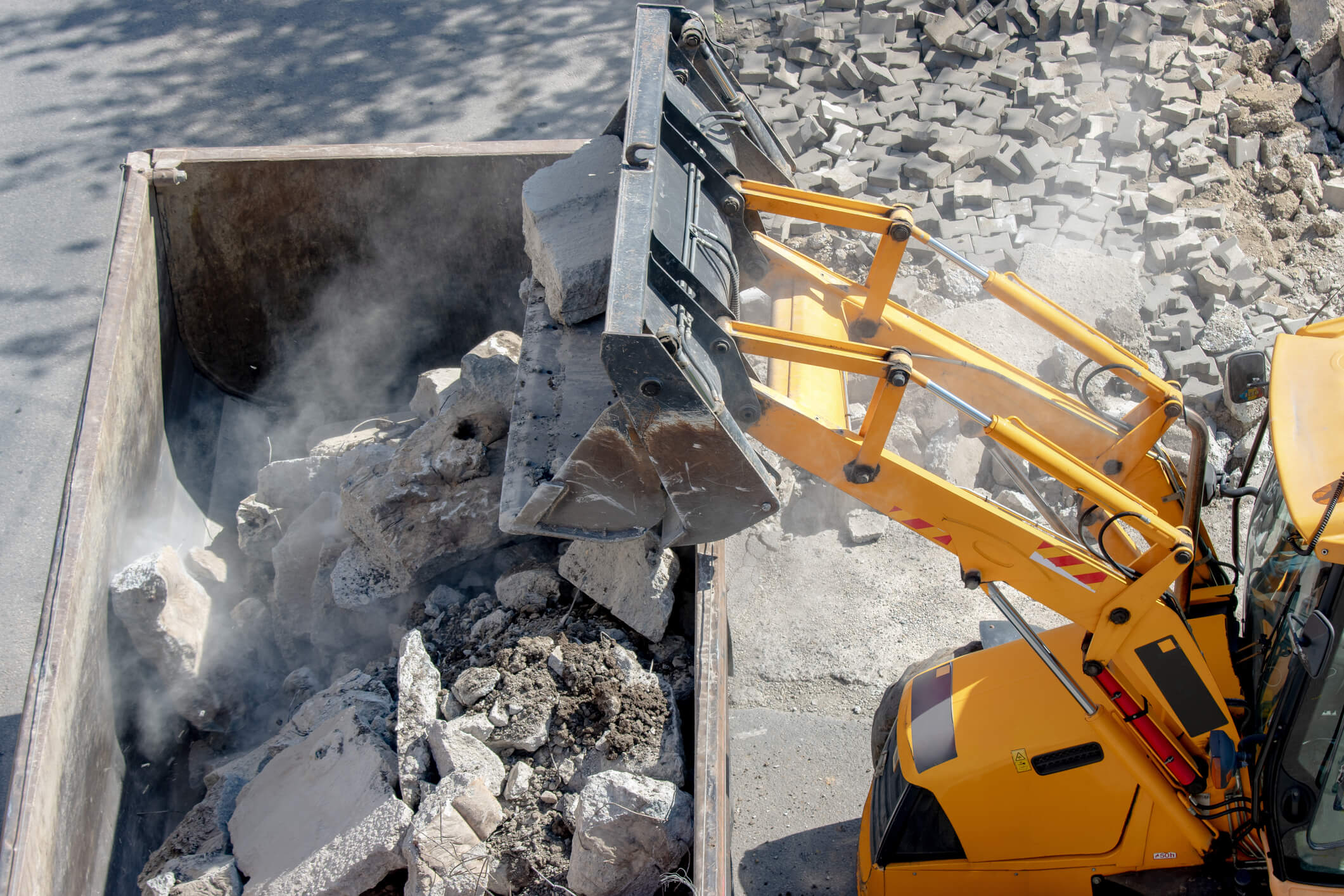
After demolition is finished, particles is typically sorted and classified for reusing or disposal. Salvageable materials might be repurposed, while non-recyclable waste is transferred to landfills, making sure correct environmental and security laws are followed.
House owners can gain many benefits from employing selective demolition in their improvement projects. Selective demolition is frequently used in numerous tasks, consisting of property remodellings, where homeowners seek to improve their areas without a complete teardown. When beginning on property renovation tasks, many residential property proprietors discover residential demolition near me that selective demolition plays an important duty in attaining their style objectives. Selective demolition plays an important function in lessening ecological influences during renovation and building and construction tasks. Experience serves as an essential indicator of a specialist's ability in interior selective demolition projects.